
ORIGINAL GUIDE
The label is part of the measurement
Overall length, insertable length and diameter answer different questions.
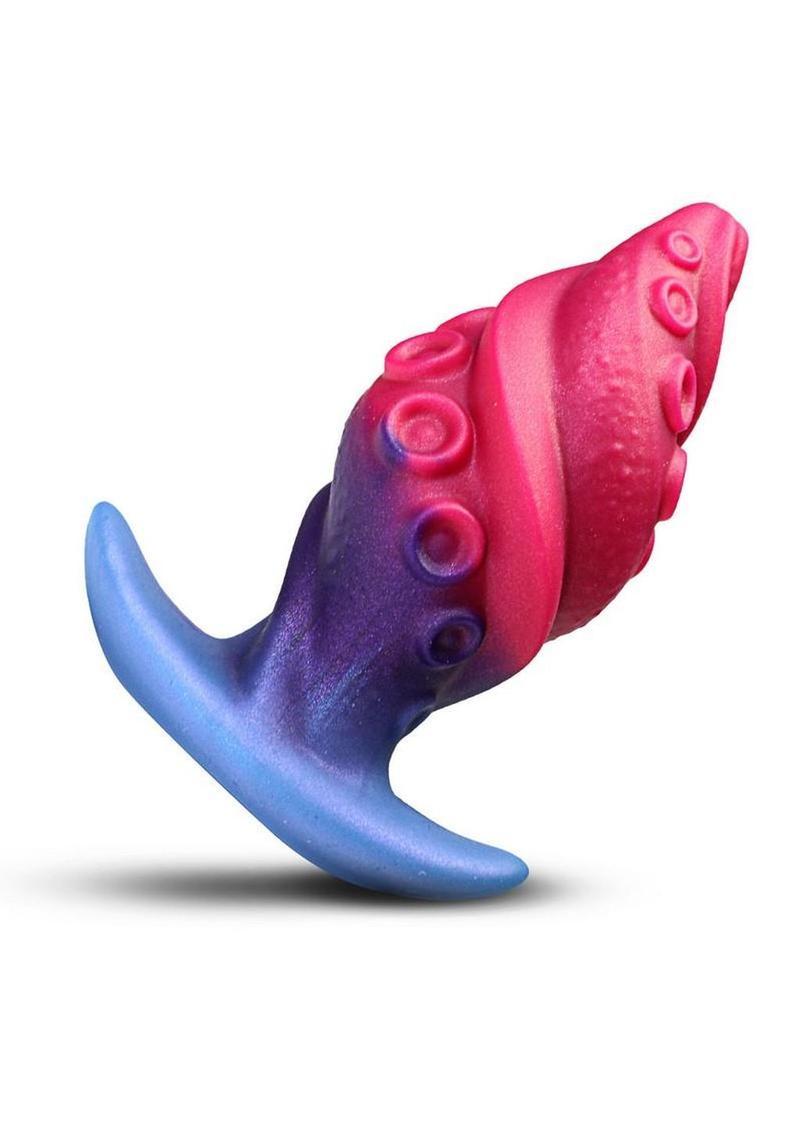
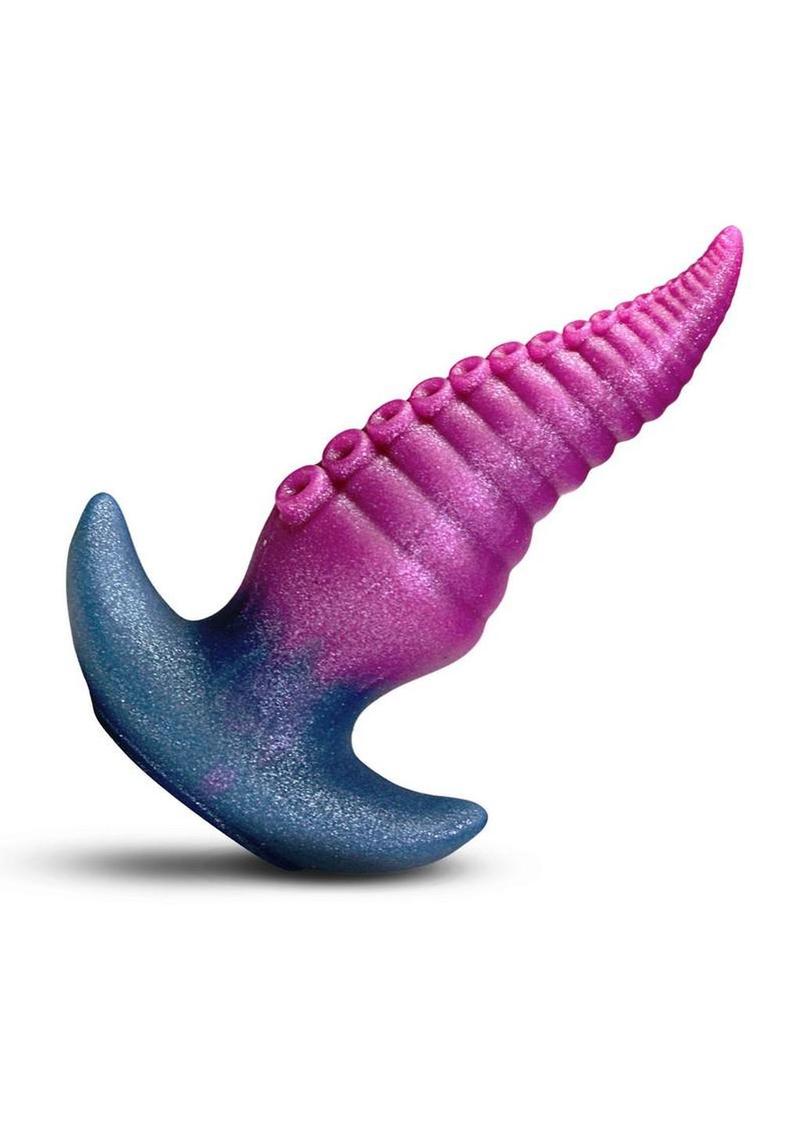
Two lengths, two reference points
An overall-length measurement describes the complete object in the source listing. An insertable-length measurement is a different published specification. Keep those labels attached to the values when comparing products. A table that replaces one with the other may look complete while answering the wrong question. This atlas preserves both fields and marks any missing field instead of filling it from another number.
Diameter needs its own definition
The source may call a measurement “Widest Diameter” or “Widest Insertable Diameter.” The second label adds a location that the first does not explicitly state. Our sheet keeps each source label in its own row so that unlike measurements do not appear equivalent. It does not treat either number as the width of the base.
Compare units on a common scale
The length bars use the published overall and insertable values with one common numeric scale. They are not product silhouettes and do not describe the contour, firmness or base geometry. The unit switch converts inches and centimeters at 1 inch = 2.54 centimeters. Conversion changes the unit, not the meaning or accuracy of the original measurement.
Make an evidence-led shortlist
Before purchasing, match the measurements to the exact selected variant. A supplier may update a listing after this edition is captured. Open the linked product page to verify current details, then keep any unanswered specification on a question list. This atlas compares documented product data; it does not calculate personal fit or select a suitable size for an individual.